Agentic Experience
The model is not the product. The experience is.Overview
Lleverage is pivoting from an automation platform to an agentic AI platform, and I lead the UX of that pivot. The industry context makes the stakes clear: operations AI is underdelivering, and most of the adoption gap lives at the interface layer, not in the model. My job is to close that gap. I define the interaction patterns, information architecture and design language for how people build, run and, most importantly, trust autonomous agents, then implement them in React and TypeScript so nothing is lost between design and engineering.


Problem
AI pilots that look promising in a proof of concept die quietly in production. Agents that handled clean test data collapse when they meet the messy reality of real operations: the purchase order with the wrong product code, the pricing exception outside the standard tier, the document in a format nobody anticipated. Frontline trust collapses the first time a user hits an outcome they cannot explain or recover from. And the obvious interface answers are both wrong: wrapping everything in a chat window is a lazy answer, and bolting chat onto a product that was never designed for it just makes it harder to use.

Objective
Define what a good agentic experience looks like and prove it in production: interfaces that adapt to the user rather than the other way around, exception flows designed before happy paths, reasoning made visible at the moment it matters, trust treated as something you design rather than something you are given, and an agent that is treated as a colleague to be onboarded rather than a tool to be operated.

Approach
A Colleague, Not a Tool
The experience treats the agent as a new employee rather than a tool. Onboarding goes both ways. Cultural fit is configured. Trust is grown through incremental steps and demonstrations of capability, and value grows with it. That framing changes the user as much as the product: they accept the limitations of the AI, and the requirements placed on them to work with the agent and bring out its value.Chat Is a Door, Not a Room
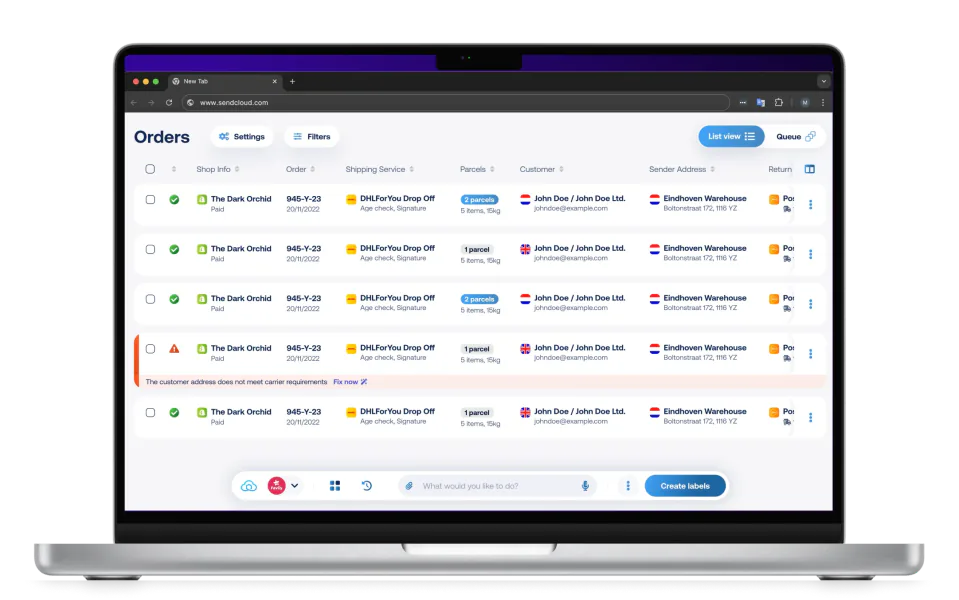
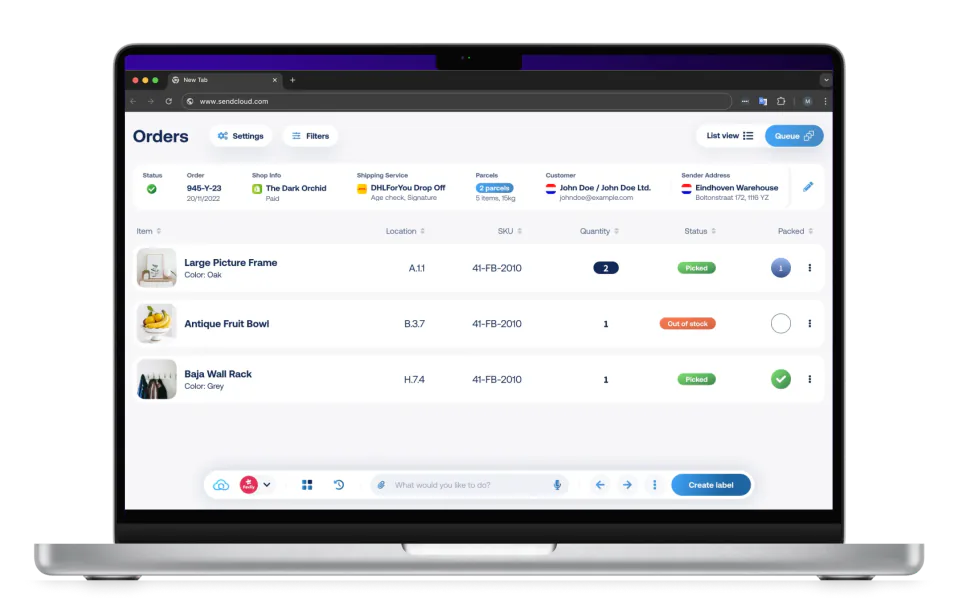
Conversation is the entry point, not the destination. The user describes intent in natural language and the interface responds in kind: not just with words but with a purpose-built set of controls, a reconfigured layout, a relevant view. Chat becomes the input layer for a dynamic interface that composes itself around the work.Design the Exception Flow First
The clean majority of cases designs itself; the messy remainder is where trust is earned or lost. Good exception UX answers three questions immediately: what is the system seeing, why does it need a human, and what should happen next. Suggested resolutions come pre-populated, precedents are visible, and confirming or overriding is a single deliberate action that teaches the system something it did not know.Make the Reasoning Visible
An unexplained AI decision is an unusable one. Explainability here is an information design challenge, not a research one: choosing what context to surface, in what order, at what level of detail, with the model’s confidence visible rather than hidden. Enough to act on in three seconds under pressure, more available on demand.Embed, Do Not Bolt
If using the AI requires switching context, that is a design failure before it is a technical one. Recommendations surface where the decision is made, inside the flows people already work in, keeping cognitive load down and adoption up.Build in the Product
With AI-assisted development the gap between design and implementation has collapsed, so I design in the product itself and reserve design tools for early, abstract concepts. The design system moved with it: documentation as agent-readable markdown, a root Design.md with per-domain files, consumed by engineers and AI coding agents alike.
Results
A Shared Agentic Design Language
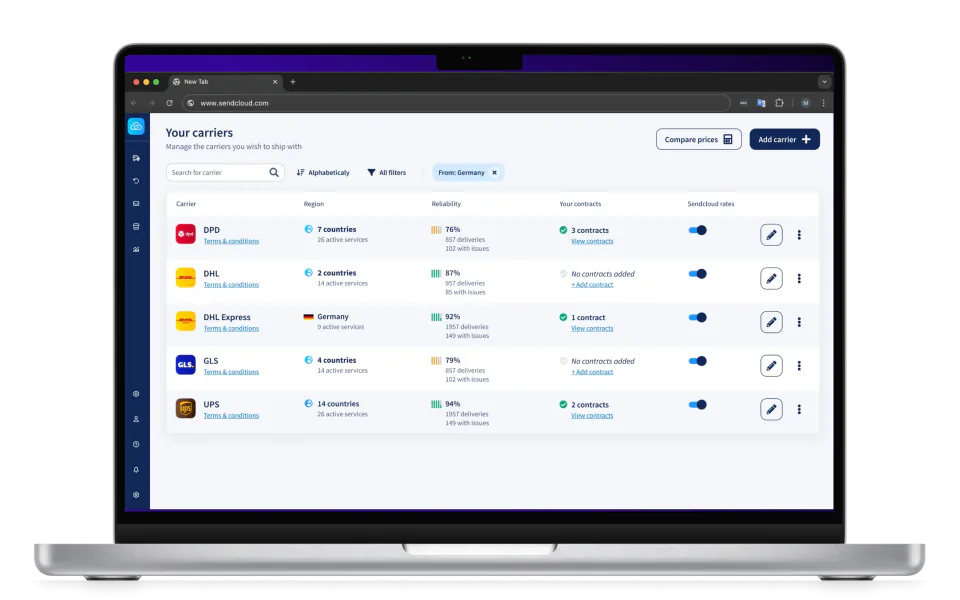
Reusable patterns for building, running and supervising agents that keep the product coherent as capabilities expand.Trust as a Design Material
Legible plans, visible reasoning and recoverable failure treated as first-class features, because adoption follows trust.A Published Point of View
The thinking behind the work is public: articles on dynamic interfaces, operations AI and the UX Engineer role set out the patterns this product is built on.Learnings
The Model Is Not the Product
Capability does not equal adoption. The experience layer is where the gap between the two closes, and it has to be designed and funded like it matters.Trust Is Designed, Not Given
It is built through feedback that confirms the system understood, errors caught before they cause damage, and recovery flows that feel safe.Fixed Interfaces Are the Ceiling
Chat-only and traditional UI are both fixed answers to needs that are not fixed. Interfaces that compose themselves around the user are where this is heading.Judgement Is the New Bottleneck
AI has made execution cheap. What it cannot tell you is what to build, why an approach will cause problems later, or when its output is wrong. Dual fluency in design and engineering is what turns that speed into quality.Cultural Fit Beats Capability
Our in-house dev agent in Slack taught us this the hard way. It commented on everything, dumped mountains of information, and opened more PRs than key developers could absorb. The problem was not capability, it was cultural: like any employee, an agent has to fit the company culture, respecting team capacity, when to reply, and what is worth saying. Otherwise the value it brings gets overshadowed by how much it annoys people.Related Writing